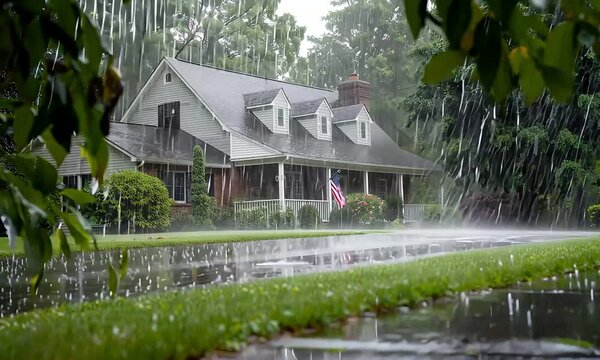
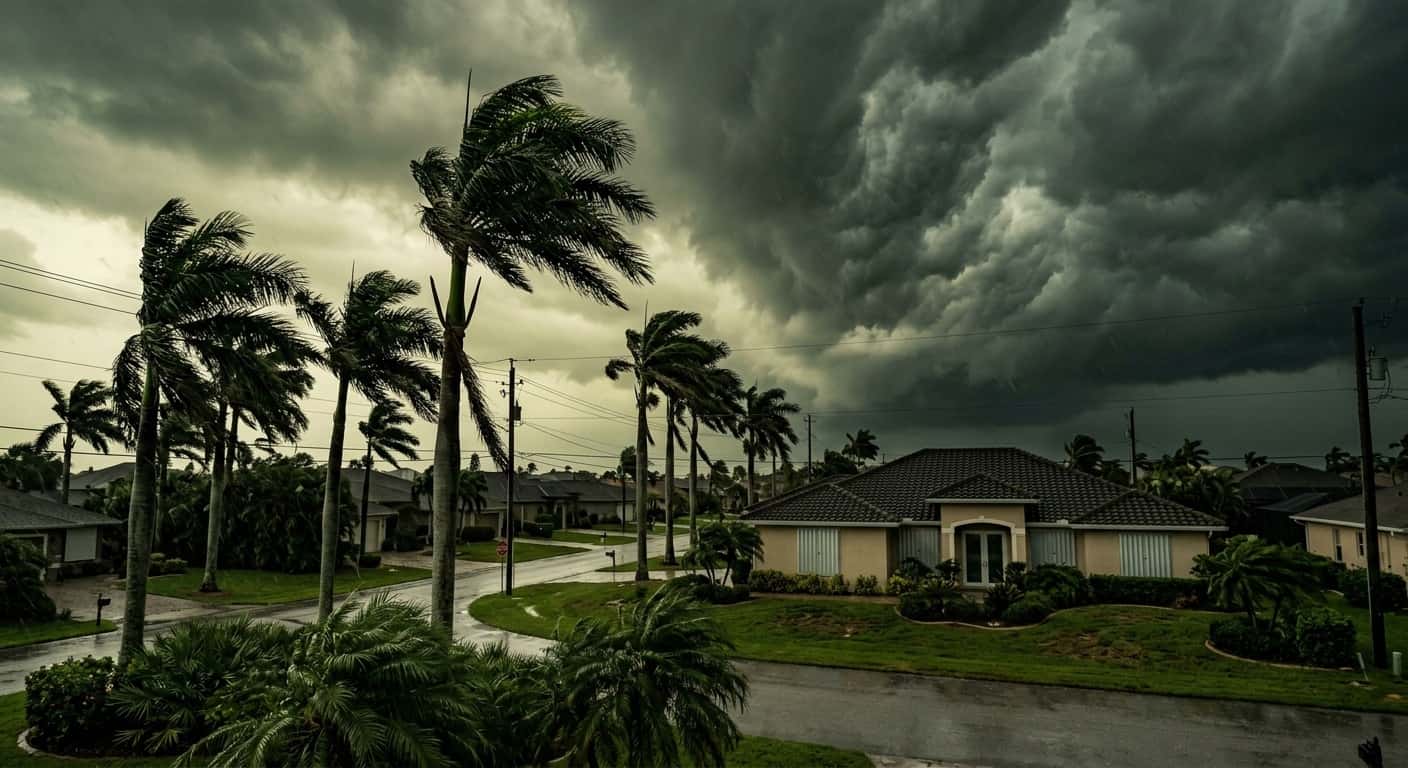
Every Florida homeowner knows hurricane season means boarding up windows and stocking supplies. What most don’t prepare for is what happens after the storm passes: the pest invasion that follows flooding, wind damage, and weeks of standing water across your property.
A University of Miami study found that mosquito populations surged 7 to 8 times higher in the four weeks after Hurricane Irma compared to the same periods in non-hurricane years. Mosquitoes aren’t the only problem. Flooding pushes cockroaches, ants, and rodents out of their habitats and directly into your home. Storm damage creates new entry points they didn’t have before.
Florida’s hurricane season runs June 1 through November 30. Every pest threat that comes with hurricane season is outlined below, along with the specific steps to protect your Tampa Bay home before, during, and after a storm.
Key Takeaways
- Mosquito populations increase 7-8x in the weeks following a hurricane
- Fire ants form floating rafts during floods that can contain tens of thousands of stinging individuals
- Storm damage to roofs, soffits, and siding creates new rodent entry points that persist long after repairs
- The CDC warns disease-carrying mosquitoes may increase 2 weeks to 2 months after a hurricane
Why Do Hurricanes Cause Pest Infestations?
Mosquito populations rebounded within just one week of Hurricane Irma’s passage through South Florida, with trap counts showing 7.3 to 8 times more mosquitoes than the same four-week period in years without hurricanes. The explanation is straightforward: hurricanes create the three conditions every pest needs: moisture, shelter disruption, and food access.
Flooding Displaces Underground Pests
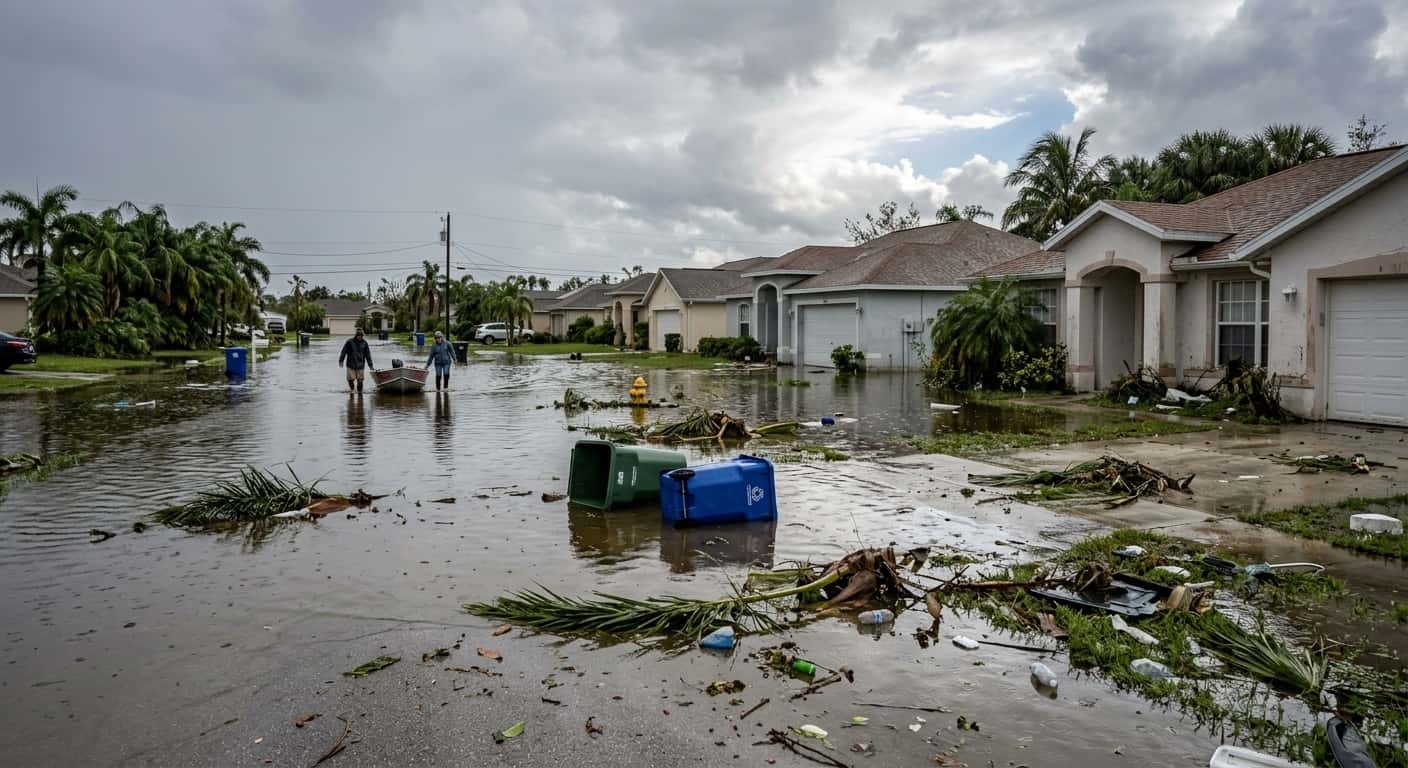
When floodwater saturates the ground, every pest that nests underground gets evicted. Cockroaches living in mulch beds, sewer systems, and tree root cavities suddenly need somewhere dry. Ant colonies, including fire ants with colonies numbering tens of thousands, abandon flooded nests and move toward the nearest structure. Rodents in ground burrows and low-lying areas head for higher ground, which often means your attic.
The displacement isn’t temporary. Once pests establish themselves inside your home, they don’t voluntarily leave when conditions improve outside.
Wind Damage Opens New Entry Points
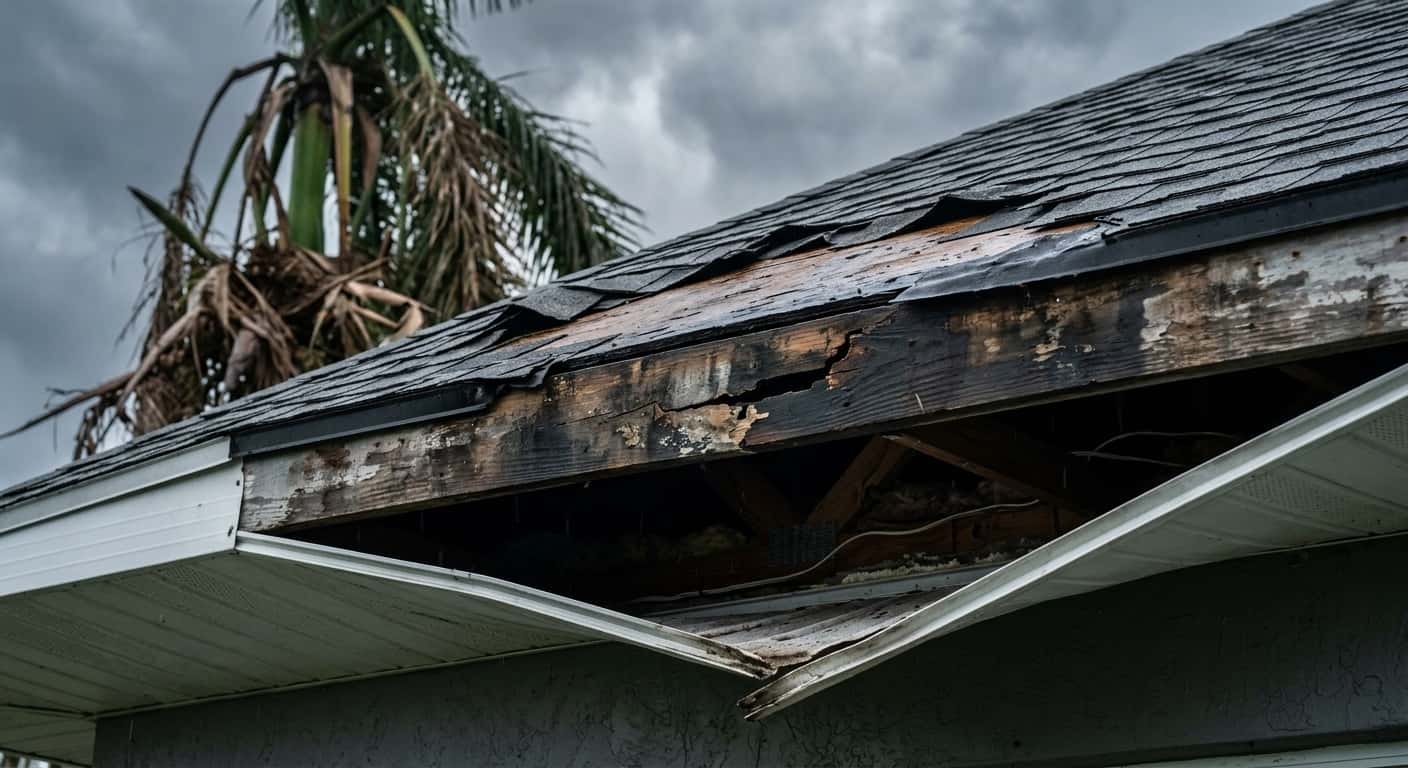
Hurricane-force winds tear off shingles, crack soffits, dislodge vent covers, and split siding. Each of these creates a gap that didn’t exist before the storm. Roof rats, already the most common rodent in Tampa Bay, exploit damaged rooflines to access attic spaces. Cockroaches squeeze through cracks in foundation walls that shifted during the storm. Even small gaps in weather-damaged door frames let ants establish new trails indoors.
Standing Water Multiplies Mosquitoes
Standing water is the biggest post-hurricane threat. Every puddle, clogged gutter, flooded yard depression, overturned container, and damaged pool cover becomes a mosquito nursery. Eggs hatch in 24-48 hours. Larvae become biting adults in seven days. And the CDC warns that disease-carrying mosquito species may increase anywhere from two weeks to two months after a hurricane.
Which Pests Surge After Florida Hurricanes?
UF/IFAS entomologist Johnalyn Gordon identifies nine pest categories that spike during and after hurricane season: mosquitoes, cockroaches, spiders, rodents, fire ants, house flies, phorid flies, fruit flies, and subterranean-dwelling insects. Each one affects Tampa Bay homeowners differently.
According to research published in Scientific Reports, the mosquito species Culex nigripalpus, a known vector for West Nile virus and Saint Louis encephalitis, represented 70.4% of all mosquitoes captured in Miami-Dade County after Hurricane Irma. This means the post-hurricane mosquito surge isn’t just a nuisance. It’s a real public health threat.
Mosquitoes
The most dangerous post-hurricane pest. Florida recorded at least 50 cases of locally acquired dengue fever in 2024, and the CDC confirmed 289 West Nile virus cases across 33 states that same year. After a hurricane, warmer temperatures, elevated humidity, and nutrient-rich floodwaters create ideal breeding conditions that persist for weeks.
What makes this worse in Tampa Bay: our flat terrain and poor drainage mean standing water lingers far longer than in hillier regions. A single afternoon thunderstorm creates puddles that dry within a day. Post-hurricane flooding can sit for weeks.
Fire Ants
Something that genuinely surprises people: when their nests flood, red imported fire ants form living rafts by interlocking their bodies. These floating colonies, carrying their queen, workers, and larvae on top, drift on floodwater until they find higher ground. That higher ground might be your porch, your car, or a pile of storm debris you’re about to clean up.
Fire ant rafts are nearly impossible to break apart. Contact with floodwater during cleanup is one of the most common ways Floridians get stung after storms.
What our technicians see after storms: The most common post-hurricane call we receive isn’t about mosquitoes. It’s about cockroaches. American cockroaches (palmetto bugs) that normally live in sewer systems and mulch beds flood into homes through plumbing connections, garage door gaps, and foundation cracks within 24-48 hours of heavy rainfall. We typically see a 3-4 week surge in cockroach calls following any tropical storm that drops significant rain on the Tampa Bay area.
Cockroaches
American cockroaches pour out of sewer systems and flooded ground-level habitats. German cockroaches already inside your home become more active as humidity rises. The combination of storm-driven moisture and disrupted waste management (garbage pickup delays are common after hurricanes) provides abundant food sources.
Rodents
Storm damage to rooflines is an open invitation. Roof rats access attics through missing shingles, cracked soffits, and dislodged vent covers. Once inside, they establish nests in insulation and begin gnawing on electrical wiring, stored belongings, and structural materials. An influx of displaced rodents after a storm can produce a larger infestation than you’d see under normal conditions.
Flies
Power outages spoil refrigerated food. Storm debris creates organic waste. Disrupted garbage collection lets trash accumulate. All of this attracts house flies, phorid flies, and fruit flies. They’re more than a nuisance. Flies carry bacteria and can contaminate food preparation surfaces.
For a broader look at summer pest prevention, see our guide on how to keep pests out of your Florida home this summer.
How Do You Prepare Your Home Before Hurricane Season?
The NPMA’s 2026 pest forecast warns the Southeast will face tropical storm-triggered mosquito surges this summer. Preparation before the first storm hits is far more effective than reacting afterward.
UF/IFAS entomologist Johnalyn Gordon emphasizes that “the summer months of May through November are prime time for both storm activity and pests in Florida,” recommending that homeowners survey their property for water-collecting items before any forecasted storm and seal all potential pest entry points proactively.
Exterior Preparation (Do This by June 1)
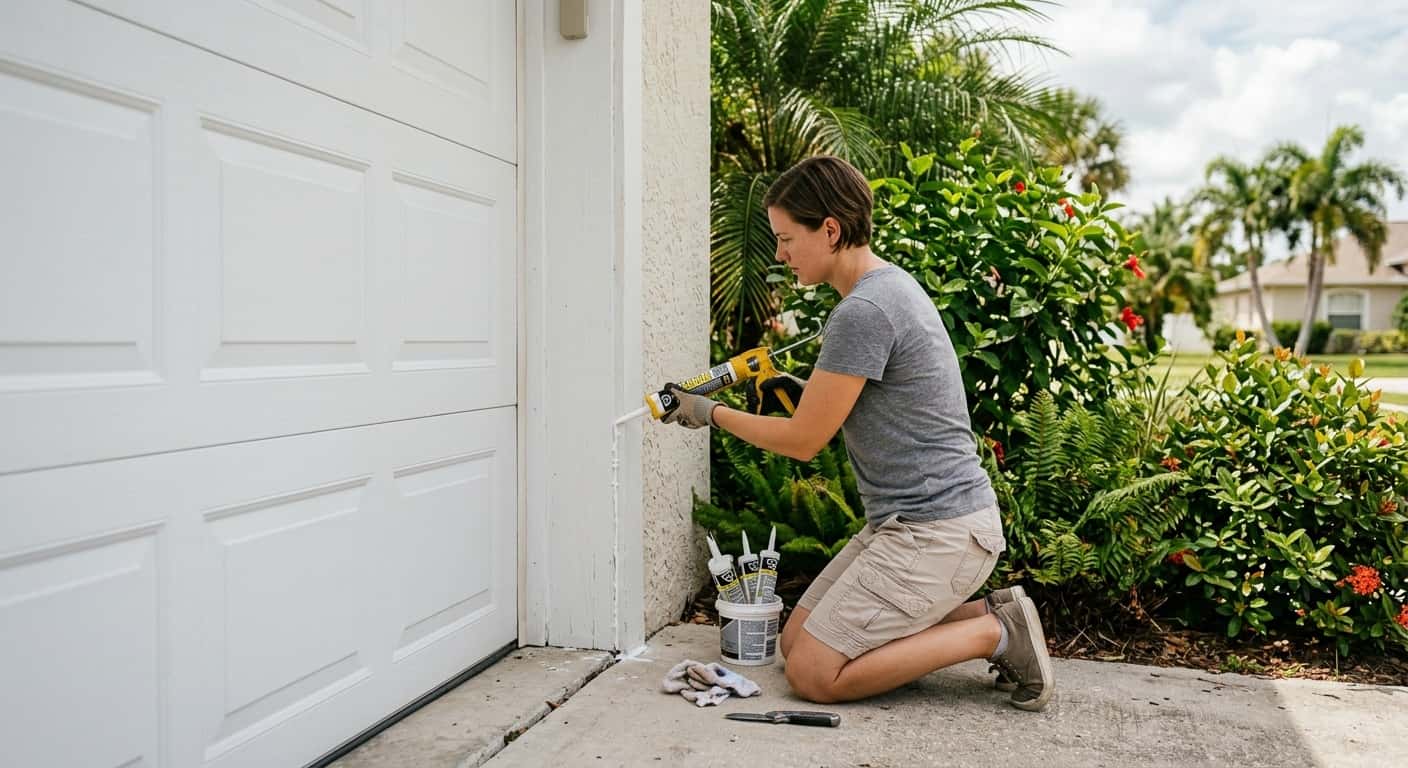
- Seal every gap. Caulk cracks around windows, doors, and foundation penetrations. Pests displaced by storms will exploit any opening.
- Repair screens. Fix or replace torn window and door screens before storm season. You’ll want to open windows for ventilation during power outages without inviting mosquitoes inside.
- Check your roof. Have missing or loose shingles replaced. Inspect soffits, fascia, and vent covers. Every gap is a potential rodent entry point when storms hit.
- Clear gutters. Clean all gutters and downspouts so water drains freely. Clogged gutters hold standing water for weeks after storms.
- Trim trees and shrubs. Cut branches back from your roofline and walls. Storm winds turn overhanging branches into pest bridges and roof damage hazards simultaneously.
- Secure trash bins. Use bins with tight-fitting lids that can’t blow open. After storms, garbage pickup delays create pest-attracting waste problems.
Food and Supply Preparation
- Store emergency food supplies in airtight, hard-sided containers, not cardboard boxes that rodents and cockroaches can chew through
- Keep pet food in sealed bins, not open bags on the garage floor
- Stock garbage bags for securing spoiled food during power outages
- Have a plan for refrigerator contents. Spoiled food left in a powerless fridge becomes a fly breeding ground within 48 hours
For a complete seasonal exclusion guide, see our post on how to pest-proof your home for each season.
What Should You Do About Pests After a Hurricane?
The first 48 hours after a storm are critical for pest prevention. Here’s your priority checklist, starting with the most time-sensitive actions.
Immediate Actions (First 48 Hours)
- Dump all standing water. Walk your entire property. Empty everything: buckets, tarps, toys, plant saucers, wheelbarrows, grill covers, and any debris holding water. Do this daily for the first two weeks.
- Avoid fire ant rafts. If you see floating mats of ants in floodwater, don’t touch them or try to break them apart. They will sting aggressively. Wait for water to recede, then treat the newly established mounds.
- Inspect your roof. From the ground, look for missing shingles, lifted flashing, displaced vent covers, and gaps in soffits. These are active rodent entry points. Get them repaired or temporarily sealed as soon as safely possible.
- Secure spoiled food. Bag all spoiled food in sealed plastic bags and place in tightly lidded outdoor trash containers. Don’t leave it in an unpowered refrigerator.
First Two Weeks
- Check for moisture intrusion. Inspect attics, crawl spaces, and wall cavities for water damage. Damp wood attracts cockroaches immediately and creates longer-term conditions that favor other pest species.
- Run dehumidifiers. If you have power, run dehumidifiers continuously in affected areas. Reducing indoor humidity below 60% makes your home less hospitable to cockroaches, silverfish, and moisture-seeking pests.
- Monitor for rodent signs. Check attics for droppings, gnaw marks, and nesting material. Listen for scratching sounds in walls and ceilings at night. Early detection prevents a small intrusion from becoming a full infestation.
- Continue dumping water. Mosquito larvae become biting adults in seven days. Weekly water elimination breaks the breeding cycle.
Why the first two weeks matter most: Most homeowners focus on structural repairs after a storm and forget about pest prevention until they’re already dealing with an infestation. The window between storm damage occurring and pests establishing permanent indoor populations is roughly 10-14 days. Act within that window, and you prevent the problem. Wait longer, and you’re treating an active infestation, which costs significantly more.
Ongoing Recovery
- Schedule a pest inspection with Liberty Pest Management, especially if your home sustained water damage or roof damage
- Continue weekly standing water elimination through the end of hurricane season
- Repair all storm damage to the building envelope as quickly as possible. Every week a gap remains open increases pest intrusion risk
- Monitor for signs of moisture damage (musty odors, staining, warped wood) that can attract pests months after the storm
If you’re noticing warning signs of an infestation, check out our guide on when to call an exterminator.
How Do You Protect Against Mosquito-Borne Disease After Storms?
Florida recorded locally acquired dengue fever cases and the first domestic malaria transmission in two decades (a 2023 cluster in Sarasota County investigated by the CDC and Florida DOH). After hurricanes, the risk increases substantially.
The CDC advises that disease-carrying mosquito species may increase anywhere from two weeks to two months after a hurricane, with the risk elevated particularly during warm summer months when mosquito development accelerates. In the weeks following Hurricane Irma, 70.4% of captured mosquitoes in Miami-Dade were Culex nigripalpus, a primary vector for West Nile virus.
Personal Protection
- Apply EPA-registered insect repellent containing DEET, picaridin, or oil of lemon eucalyptus when outdoors
- Wear long sleeves and pants during peak mosquito hours (dawn and dusk)
- Sleep under mosquito nets if windows are damaged and screens are compromised
- Keep doors closed as much as possible, especially during evening hours
Property Protection
- Eliminate standing water daily. The single most effective action
- Have permanent water features (ponds, fountains) professionally treated with larvicide to prevent mosquito breeding
- Clear storm debris that collects rainwater: fallen branches, damaged fencing, displaced containers
- Consider professional barrier treatments for your yard if mosquito pressure is heavy
What about the pests you can’t see coming? Liberty Pest Management makes the biggest difference with the pests you can’t see coming.
For year-round mosquito management strategies, see our guide on mosquito control in Tampa Bay.
When Should You Call a Professional After a Hurricane?
Over 34,000 pest control companies operate in the U.S., and demand spikes dramatically after major storms. Don’t wait for an emergency. These situations warrant the call.
Call immediately if you notice:
- Rodent droppings or gnaw marks in your attic after roof damage
- Fire ant mounds forming against your foundation or near your home’s entry points
- Cockroach sightings increasing from occasional to daily
- Musty odors or visible moisture damage in walls, which signals conditions that attract multiple pest species
- Any signs of structural wood damage. Professional assessment is needed to rule out pest involvement
Schedule a post-storm inspection if:
- Your home sustained any roof, soffit, or siding damage
- Flooding reached your foundation, garage, or crawl space
- You lost power for more than 48 hours (food spoilage attracts flies and rodents)
- Your neighborhood experienced significant standing water for more than a week
Liberty Pest Management can identify storm-created entry points you’ve missed, assess moisture damage that attracts pests, and apply targeted treatments before populations establish. We are licensed by the Florida Department of Agriculture (JB-151032).
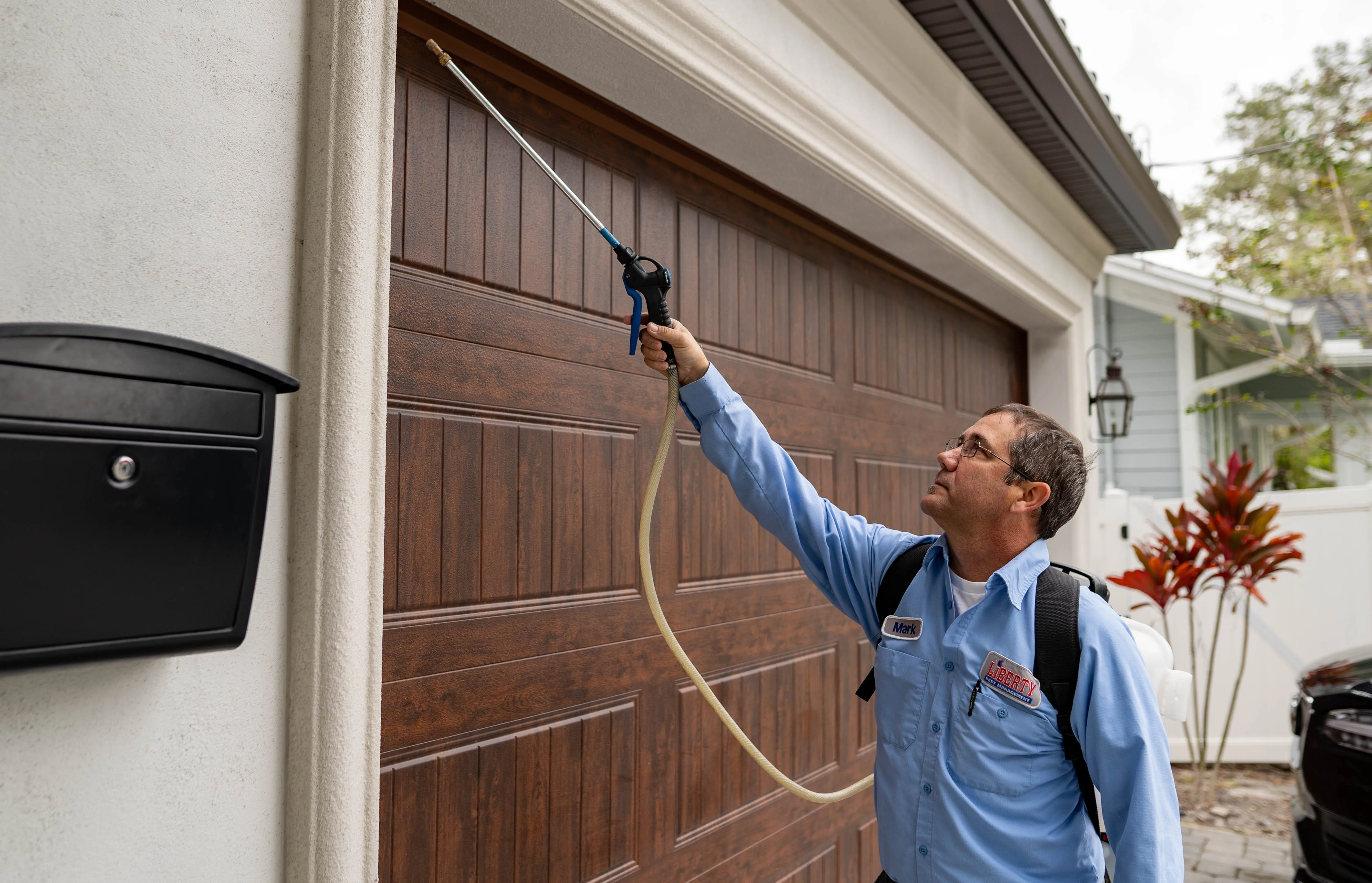
See our full list of pest control services to learn how we can help protect your home.
Frequently Asked Questions
How soon after a hurricane do pest problems start?
Mosquito populations can rebound within one week of a hurricane, according to University of Miami research that tracked trap counts after Hurricane Irma. Cockroaches and ants typically invade within 24-48 hours of flooding. Rodents may take 1-2 weeks to establish new nesting sites inside storm-damaged homes.
Are fire ant rafts actually dangerous?
Yes. Red imported fire ant rafts contain tens of thousands of individuals that sting aggressively when disturbed. The rafts are held together by interlocking bodies and are nearly impossible to break apart. Avoid contact with floating ant masses during flood cleanup. They’re one of the most common sources of post-hurricane injuries.
Does homeowners insurance cover pest damage after a hurricane?
Most standard homeowners policies don’t cover pest damage directly, even when the infestation results from storm damage. However, the structural repairs caused by the storm (roof damage, broken windows, foundation cracks) are typically covered, and fixing those repairs also eliminates pest entry points. Check your specific policy and document all storm damage thoroughly.
How long does the mosquito surge last after a hurricane?
The CDC warns that disease-carrying mosquito populations may remain elevated for two weeks to two months after a hurricane. The duration depends on how quickly standing water is eliminated and how much storm debris remains. In the Tampa Bay area, flat terrain and poor drainage can extend the mosquito surge well beyond the typical timeline.
Should I use bug bombs or foggers after a hurricane?
No. Over-the-counter foggers are largely ineffective against established pest populations and can create health hazards, especially in homes with storm-compromised ventilation. UF/IFAS recommends following all pesticide label directions carefully and warns against applying pesticides near water or rain-soaked areas. Professional targeted treatments are safer and more effective.
When DIY methods fall short, it’s time to bring in a professional. See our guide on when to call an exterminator for more on recognizing that moment.
Prepare Now, Don’t Wait for the First Storm
Hurricane season starts June 1. The pest problems that follow storms are predictable, which means they’re preventable. Seal your home now, eliminate standing water habits now, and establish a relationship with a licensed pest control provider before you’re competing with every other homeowner in the neighborhood for post-storm service.
Your hurricane pest prep checklist:
- Seal all exterior gaps, cracks, and openings by June 1
- Clean gutters and ensure proper drainage
- Repair or replace damaged screens
- Inspect your roof for existing vulnerabilities
- Store food supplies in pest-proof containers
- Stock garbage bags for securing spoiled food during outages
- Schedule a pre-season pest inspection
The storm itself lasts hours. The pest problems it creates can last months. A little preparation now saves you real time, money, and frustration later.
Get a free pest inspection from Liberty Pest Management before hurricane season arrives.
Liberty Pest Management serves the Tampa Bay area including Odessa, Trinity, Land O’ Lakes, Wesley Chapel, and surrounding Pasco County communities. Licensed by the Florida Department of Agriculture (JB-151032). Call us at 813-961-2627 or get a free quote today.