Summer in Florida isn’t just brutal for people. It’s peak season for every crawling, biting, and swarming pest in the state. The combination of 90-degree heat, 80%+ humidity, and daily afternoon downpours creates a perfect breeding environment that sends pests scrambling into your home for food, water, and shelter.
The National Pest Management Association (NPMA) forecasts that the Southeast will see intensified fly and cockroach pressure this summer, with tropical storms triggering mosquito surges from standing water. If you’re a Tampa Bay homeowner, now is the time to act, not after you spot the first palmetto bug sprinting across your kitchen floor.
Below: the pests you’ll face this summer, why Florida’s climate makes things worse, and what to do about each one.
Key Takeaways
- Southeast homes report the highest ant infestation rate in the U.S. at 61%
- German cockroaches can produce 300-400 offspring per female at Florida’s summer humidity levels
- Mosquito eggs hatch in as little as 24-48 hours in standing water during summer heat
- Proactive prevention costs a fraction of treating an active infestation
Which Pests Are Most Active in Florida Summers?
Ants top the list in the Southeast, infesting 61% of surveyed households, the highest regional rate in the country. Cockroaches follow at 36%, and fleas round out the top three at 32%. Welcome to May through September in Tampa Bay.
Cockroaches
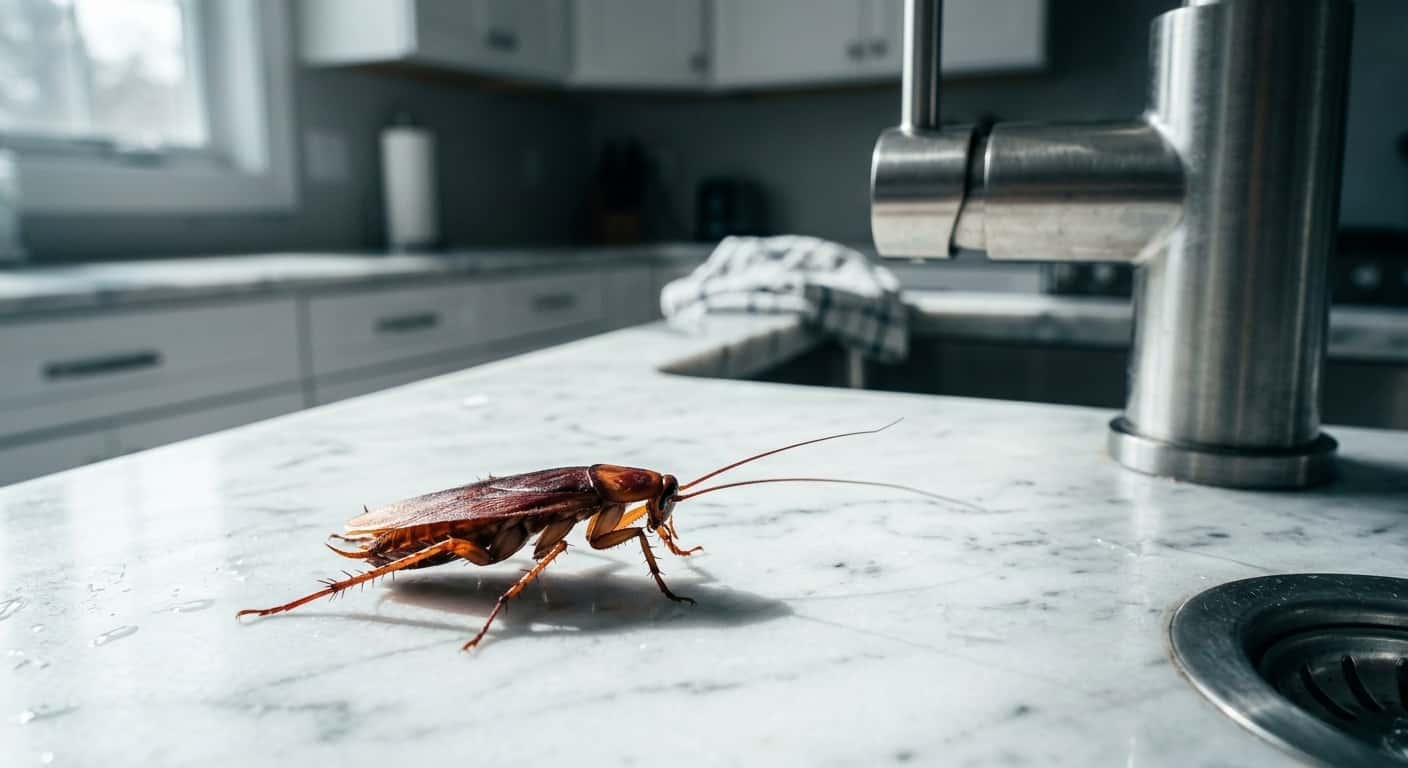
Florida hosts both American cockroaches (palmetto bugs) and German cockroaches. The American variety lives outdoors in mulch, trees, and sewers but moves inside when temperatures spike. German cockroaches are strictly indoor pests. They colonize kitchens and bathrooms where moisture is constant.
At Florida’s peak summer conditions of 86 degrees and 70%+ humidity, German cockroaches develop from egg to breeding adult in just 70-100 days. A single female produces 300-400 offspring in her lifetime. Not a typo. One roach becomes hundreds.
Ants
Fire ants dominate Florida yards, building mounds that seem to appear overnight after summer rains. Inside, ghost ants and sugar ants trail along baseboards and countertops searching for moisture and crumbs. Heavy rainfall floods underground colonies and pushes entire ant populations toward your home’s foundation.
Mosquitoes
Florida’s mosquito season runs March through October, peaking in midsummer. Tampa Bay’s daily afternoon thunderstorms create fresh standing water in gutters, birdbaths, plant saucers, and pool covers. Mosquito eggs hatch in 24-48 hours, and larvae become biting adults in as little as seven days.
Fleas and Ticks
Florida’s warm, humid summers accelerate flea reproduction dramatically. A single flea can lay 40-50 eggs per day, and the entire life cycle shortens in heat and humidity. Pet owners face the highest risk, but fleas hitchhike indoors on shoes, clothing, and wildlife too.
For pet owners dealing with these pests, explore our flea control and tick control services.
Why Does Florida’s Summer Climate Make Pest Problems Worse?
Florida’s average summer humidity exceeds 70% statewide, and Tampa Bay regularly hits 80-90% relative humidity during afternoon storms. This isn’t just uncomfortable. It’s a biological accelerator for pest reproduction.
What the science shows: Research published in PLOS ONE found that pest fecundity peaks at temperatures between 30-35 degrees Celsius (86-95 degrees Fahrenheit) with 65-70% relative humidity, conditions that describe a typical Florida summer afternoon.
Cockroach development accelerates in humidity above 70%. Mosquitoes need nothing more than a bottle cap of standing water to lay eggs. Ant colonies expand rapidly when soil stays warm and saturated. Every summer rainstorm resets the clock, creating fresh breeding sites across your property.
The NPMA’s 2026 spring forecast specifically warns that the Southeast’s warm, wet spring will boost early activity among mosquitoes and ants, with summer intensifying cockroach pressure. Dr. Jim Fredericks, NPMA Senior Vice President, put it bluntly: “The most effective pest management strategy is a proactive one. Don’t wait until you see pests to take action.”
How Do You Seal Your Home Against Summer Pests?
The U.S. pest control industry is one of the largest service sectors in the country, yet 74% of homeowners still attempt some form of DIY pest control. The most cost-effective DIY step? Exclusion, physically sealing the gaps pests use to enter your home.
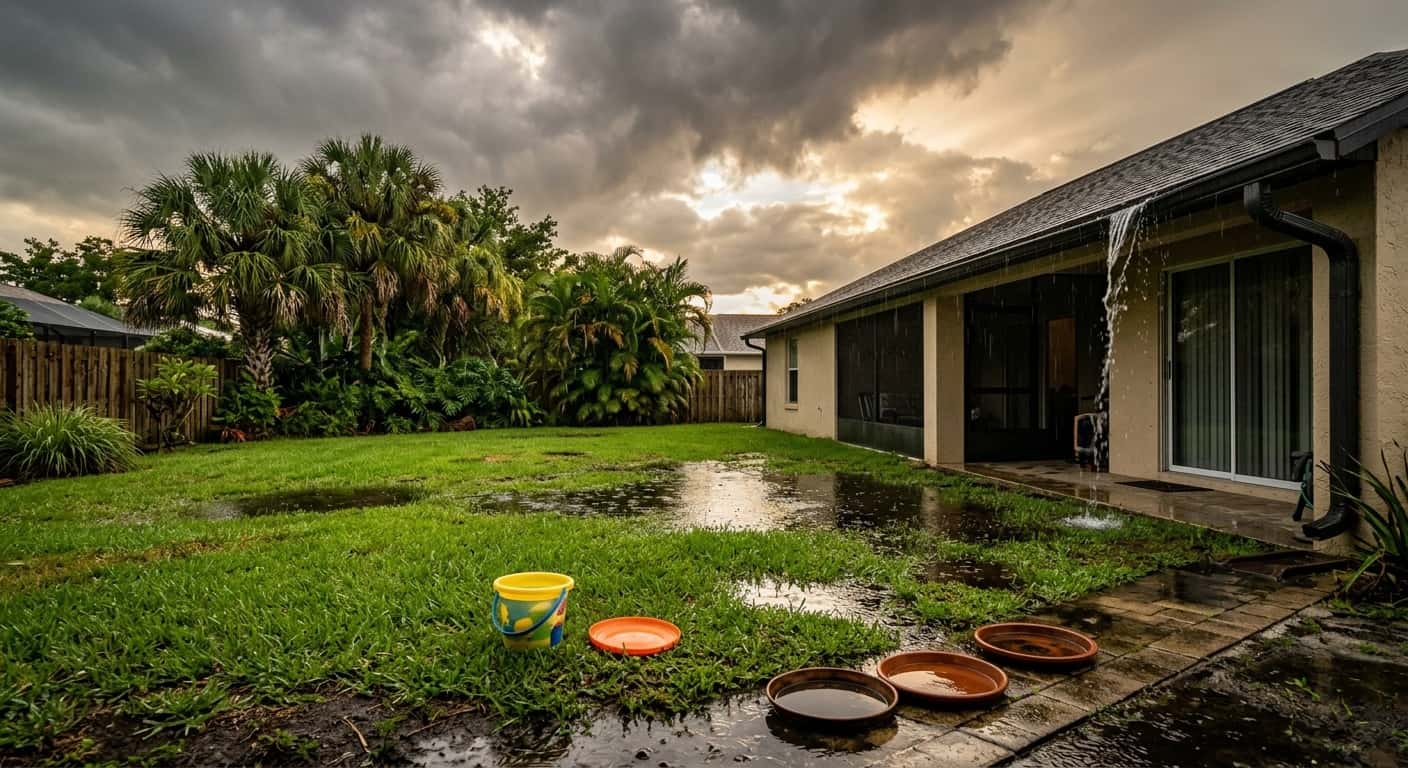
According to the National Pest Management Association, cockroaches can squeeze through gaps as thin as a quarter-inch, while mice need only a dime-sized opening to enter a home. Sealing these entry points is the most effective prevention measure homeowners can take before summer pest pressure peaks.
Exterior Sealing Checklist
Walk your home’s exterior and address these common entry points:
- Door sweeps and weatherstripping. Check every exterior door. If you can see daylight under the door, pests can get in. Replace worn sweeps and add weatherstripping to gaps around frames.
- Window screens. Repair or replace screens with tears, holes, or gaps. Your primary mosquito defense.
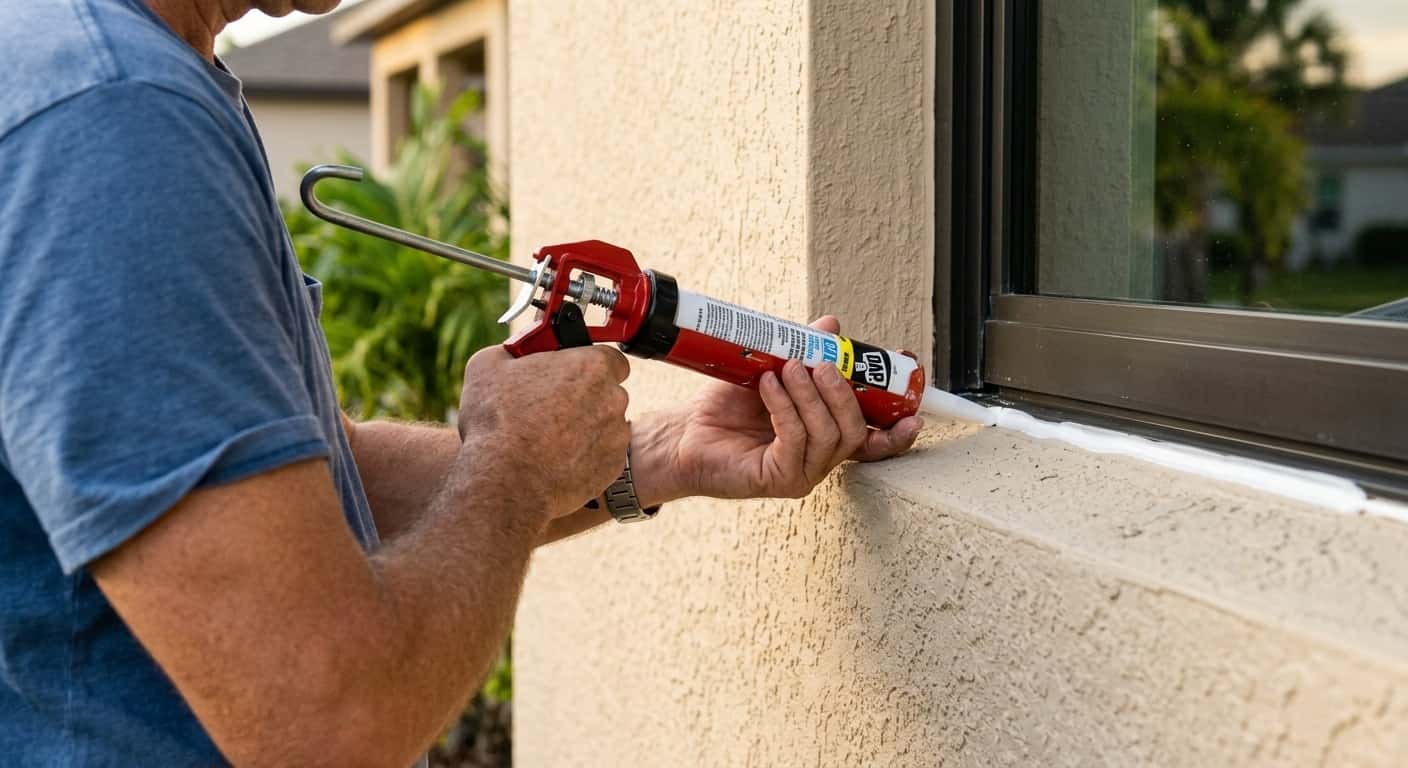
- Foundation cracks. Fill cracks and gaps with silicone-based caulk. Pay extra attention to where utility pipes and wires enter the house.
- Garage door seals. The garage is the #1 entry point for palmetto bugs in Florida. Make sure the bottom seal contacts the ground with no gaps.
- Soffit and fascia vents. Install fine mesh screening behind vent openings to block wasps, bats, and rodents.
- Dryer vents and exhaust fans. Add pest-proof covers with spring-loaded flaps.
Interior Moisture Control
Florida’s humidity means moisture builds up inside your home too. Pests need three things: food, water, and shelter. Eliminate moisture, and you remove a major attractant.
- Fix leaky faucets and pipes immediately. Even small drips attract cockroaches and ants
- Use dehumidifiers in bathrooms, laundry rooms, and enclosed porches
- Run bathroom exhaust fans during and 30 minutes after showers
- Check under sinks monthly for condensation or slow leaks
- Empty AC drip pans regularly
To understand why moisture is such a powerful pest attractant, read our post on moisture and pest problems.
What’s the Best Yard Maintenance Routine to Prevent Pests?
Americans spend billions annually on pest control services. A solid yard maintenance routine can significantly reduce what you’ll need. Your yard is either a buffer zone or a welcome mat. These steps make it a buffer.
The CDC recommends removing all sources of standing water around the home at least once per week to prevent mosquito breeding, as eggs can hatch in as little as 24 hours in Florida’s summer heat. This single weekly habit eliminates the primary breeding condition for the state’s most dangerous pest.
Weekly Yard Tasks
- Dump standing water everywhere. Plant saucers, birdbaths, toys, tarps, wheelbarrows, grill covers, and trash can lids. Do this at minimum once per week.
- Clean gutters. Clogged gutters hold standing water and organic debris. Both attract mosquitoes and cockroaches.
- Mow regularly. Tall grass harbors fleas, ticks, and provides cover for rodents. Keep grass at 3-4 inches maximum.
- Trim vegetation. Cut branches and shrubs back at least 12 inches from your home’s exterior. Touching vegetation creates pest bridges directly to your walls and roof.
Monthly Yard Tasks
- Inspect mulch beds. Mulch holds moisture and attracts palmetto bugs, earwigs, and ants. Keep mulch at least 12 inches from your foundation, and don’t pile it deeper than 2-3 inches.
- Check irrigation. Over-watering creates the soggy soil conditions fire ants and mosquitoes love. Water early morning so soil dries by afternoon.
- Inspect outdoor structures. Sheds, playsets, and fences accumulate debris and moisture that attract pests. Clean underneath and around them.
So what happens when you’ve done everything right and pests still show up? Prevention shifts to intervention.
For a complete seasonal checklist, see our guide on how to pest-proof your home for each season.
How Do You Handle Specific Summer Pests in Tampa Bay?
Cockroaches affect 23% of all U.S. households, but that rate jumps to 36% in the Southeast, the highest of any region. Here are targeted strategies for the worst summer offenders in Tampa Bay.
Cockroach Prevention
- Store food in airtight containers. Never leave pet food out overnight
- Take garbage out daily and use bins with tight-fitting lids
- Clean behind appliances quarterly (refrigerator, stove, dishwasher)
- Fix every moisture source. Roaches can survive a month without food but only a week without water
- Schedule professional cockroach treatment if you’re seeing them regularly, especially in kitchens and bathrooms
Ant Prevention
- Wipe down counters and sweep floors daily. Ants follow scent trails to food sources
- Seal cracks along baseboards and window frames with caulk
- If you’re seeing fire ant mounds, professional treatment targets the colony network, not just the visible mounds
- Store sweet foods (honey, syrup, sugar) in sealed containers
Mosquito Prevention
- Eliminate standing water weekly (this bears repeating. It’s that important)
- Install or repair window and door screens
- Use outdoor fans on patios. Mosquitoes are weak fliers and can’t navigate moderate wind
- Consider professional barrier treatments for yards, especially if you have a pool or water features
Flea and Tick Prevention
- Treat pets with veterinarian-recommended preventatives year-round
- Wash pet bedding weekly in hot water
- Vacuum carpets, rugs, and upholstered furniture 2-3 times per week during peak season
- Keep your yard mowed short and remove leaf litter where ticks hide
Pro tip from our technicians: The most overlooked pest entry point in Tampa Bay homes is the garage. Palmetto bugs, ants, and even rodents enter through gaps in the garage door seal that homeowners never think to check. An inexpensive replacement seal from any hardware store eliminates this problem instantly.
For help identifying which cockroach species you’re dealing with, see our guide on German cockroaches in Florida.
When Should You Call a Professional for Summer Pest Control?
Severe infestations cost far more to resolve after they’ve taken hold. Over 600,000 U.S. homes experience pest-related structural damage each year, costing billions in repairs.
The U.S. pest control industry continues to grow rapidly, reflecting a national trend toward professional services as homeowners recognize that DIY methods often fail against established infestations. Prevention-based quarterly service plans cost far less than emergency treatments.
Even minor pest sightings can signal a larger problem developing out of sight. Call Liberty Pest Management when you notice:
- Recurring sightings despite your prevention efforts. This signals a hidden colony or entry point
- Droppings or shed wings. Cockroach droppings near appliances or swarmer wings on windowsills indicate established populations
- Structural damage signs. Mud tubes on your foundation, hollow-sounding wood, or sagging floors point to serious problems
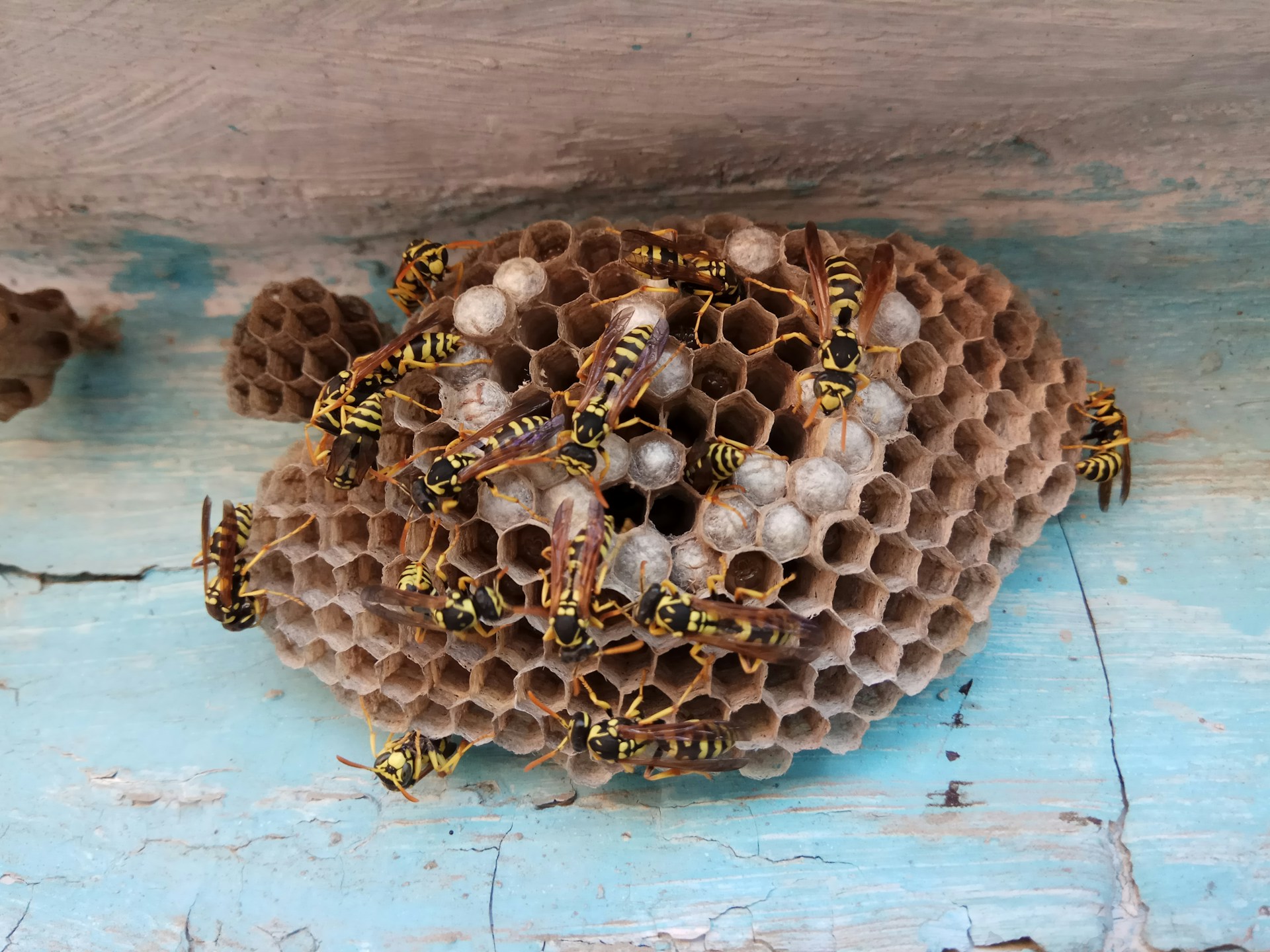
- Nesting evidence. Wasp nests under eaves, rodent nests in attics, or ant mounds against your foundation
- Health concerns. Mosquito-borne illness risk, allergic reactions to stings, or asthma triggered by cockroach allergens
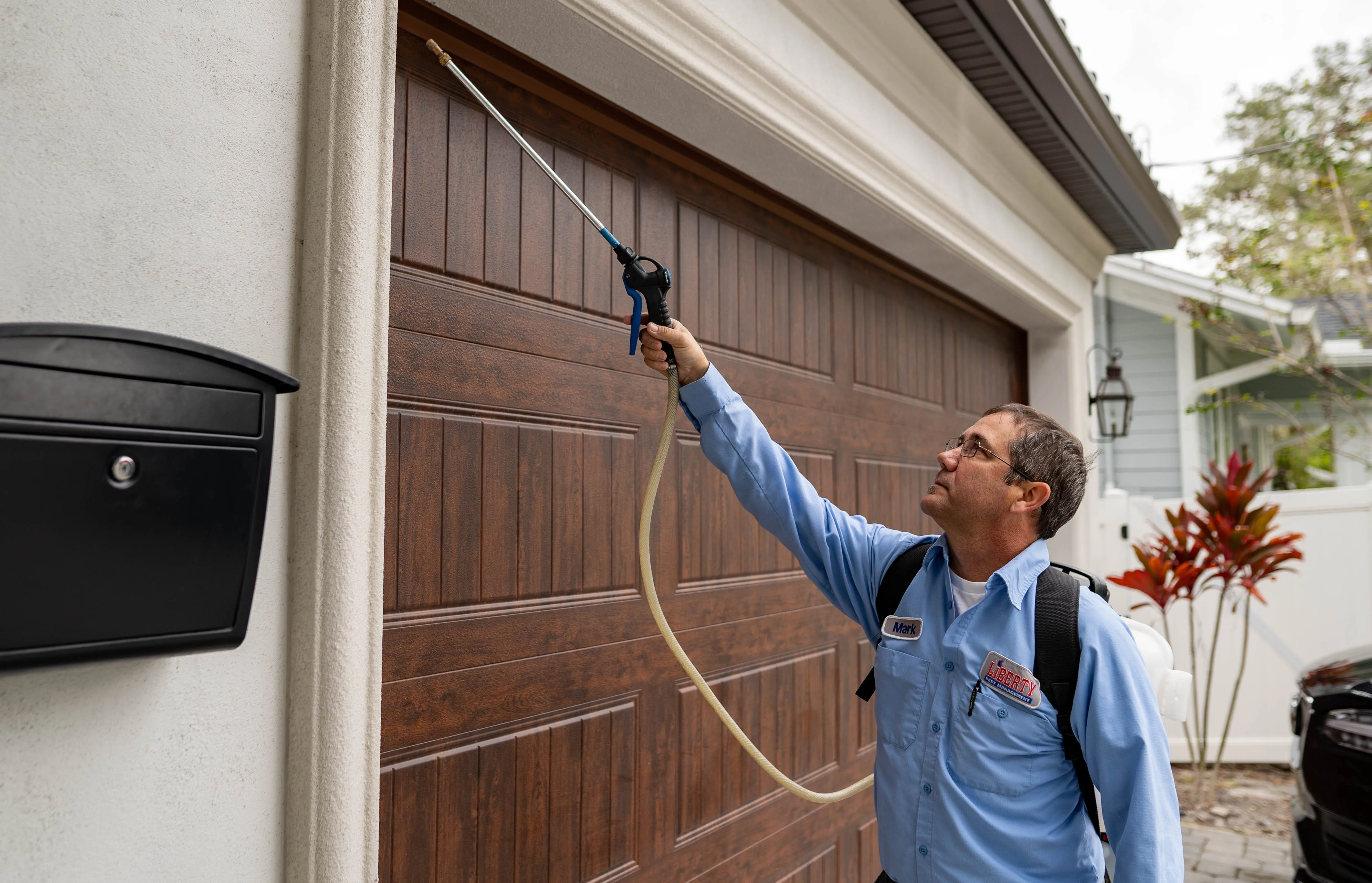
Liberty Pest Management can identify species, locate entry points you’ve missed, and apply targeted treatments that DIY products can’t match. We are licensed by the Florida Department of Agriculture (JB-151032).
For a detailed look at the warning signs, read our guide on when to call an exterminator.
What’s Coming Later This Summer for Tampa Bay Pests?
The NPMA’s 2026 forecast warns that tropical storms will trigger mosquito surges across the Southeast as standing water accumulates. Hurricane season runs June through November, and every storm pushes pests indoors.
Late summer through early fall typically brings the worst pest pressure in Tampa Bay. Cockroach activity peaks as humidity stays high. Rodents begin scouting indoor shelter as their outdoor food sources decline. Fire ant colonies reach maximum size after months of warm-weather growth.
Don’t wait for August to start your prevention plan. The steps in this guide work best when you start them in May or June, before populations explode.
For storm-specific preparation, see our guide on hurricane season pest problems in Tampa Bay.
Frequently Asked Questions
What are the worst months for pests in Florida?
June through September represents peak pest season in Florida. The NPMA’s 2026 forecast identifies summer as the period of intensified cockroach and fly pressure in the Southeast, with tropical storms creating additional mosquito surges. Ant and flea activity also peaks during these months due to sustained heat and humidity above 70%.
How often should I spray for pests in Florida during summer?
Most pest control professionals recommend quarterly treatments as a baseline, with monthly service during peak summer months for homes with recurring issues. Between professional visits, focus on exclusion and moisture control.
Do mosquito yard treatments actually work in Florida?
Yes, professional barrier treatments reduce mosquito populations by targeting resting areas in vegetation and shaded zones around your property. However, the CDC emphasizes that eliminating standing water remains the most effective single action, since mosquito eggs can hatch within 24-48 hours in Florida’s summer heat. Combine yard treatments with weekly water dumping for best results.
Why do I see more cockroaches inside during summer storms?
Heavy rain floods outdoor cockroach habitats, mulch beds, sewer lines, tree holes, and ground burrows. American cockroaches (palmetto bugs) move indoors through foundation cracks, garage door gaps, and plumbing penetrations seeking dry shelter. At Florida’s summer humidity above 70%, cockroach development from egg to adult shortens to 70-100 days, meaning populations grow rapidly once they’re inside.
How much does summer pest control cost in Tampa?
Prevention-based quarterly plans cost far less than treating active infestations. Contact Liberty Pest Management for current pricing and a free inspection.
Keep Your Florida Home Pest-Free This Summer
Professional quarterly treatment provides the foundation for a pest-free Florida home, creating a chemical barrier that intercepts pests before they reach your living space. Your maintenance habits, sealing entry points, eliminating moisture, and keeping up with your yard, extend that protection between visits.
The homes that stay pest-free in Tampa Bay summers are the ones with both: professional quarterly service and a consistent prevention routine supporting it.
Key steps to take this week:
- Walk your home’s exterior and seal gaps with caulk
- Replace worn door sweeps and window screens
- Dump all standing water in your yard
- Trim vegetation 12 inches from your home
- Schedule a professional inspection if you’re seeing recurring pests
Schedule a free inspection with Liberty Pest Management to stay ahead of summer pests.
Liberty Pest Management serves the Tampa Bay area including Odessa, Trinity, Land O’ Lakes, Wesley Chapel, and surrounding Pasco County communities. Licensed by the Florida Department of Agriculture (JB-151032). Call us at 813-961-2627 or get a free quote today.